
- Healthy Communities
Heads up: This story discusses suicide.
After becoming one of the few women in the physically and mentally demanding shearing workforce, Carol Mudford saw firsthand the “elephant in the room” of distress and suicide, and did something about it.
Life in the shearing sheds can be isolated and lonely as seasonal labourers move from farm to farm across rural and remote Australia, often unsure of their next job and working under challenging conditions. Despite the cultural and economic significance of the wool industry, the physical and mental toll of this work has been largely ignored.
It is this problem that shearer and mental health nurse, Carol Mudford, is tackling with sHedway, a health promotion charity she founded in 2023 to address the stigma that surrounds mental health issues in the sector.
The organisation provides practical tools to help people working in the shearing and sheep industry to manage their mental health. The goal is simple. Make it normal to talk about mental health in the sheds and share the skills to do so.
Coming home
“Walking into the shearing shed feels like coming home,” says Carol Mudford.
It’s the sound of the dogs barking and the smell of lanolin in the sheds that is so familiar. It takes her back to her childhood when she spent many hours napping in the wool bin at her parents’ sheep farm.
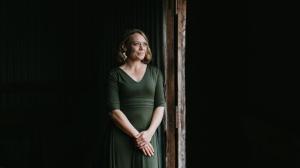
Although Carol’s childhood experiences were deeply formative, she never imagined a life for herself in the sheds. She moved away from the farm at Gilgandra in Central West NSW as a child. Later, she travelled the country as a performer and then a nurse.
“Through all that, I never really saw a place for myself on the farm or thought I would come back,” Carol says.
That changed in 2020. As the world went into lockdown over Covid, Carol’s father was navigating terminal cancer while living back on the family farm. It was time for Carol to go home. “In a way, I was really grateful for the lockdown forcing our hand,” Carol says. “I wouldn’t have had that time with dad without having to be there.”
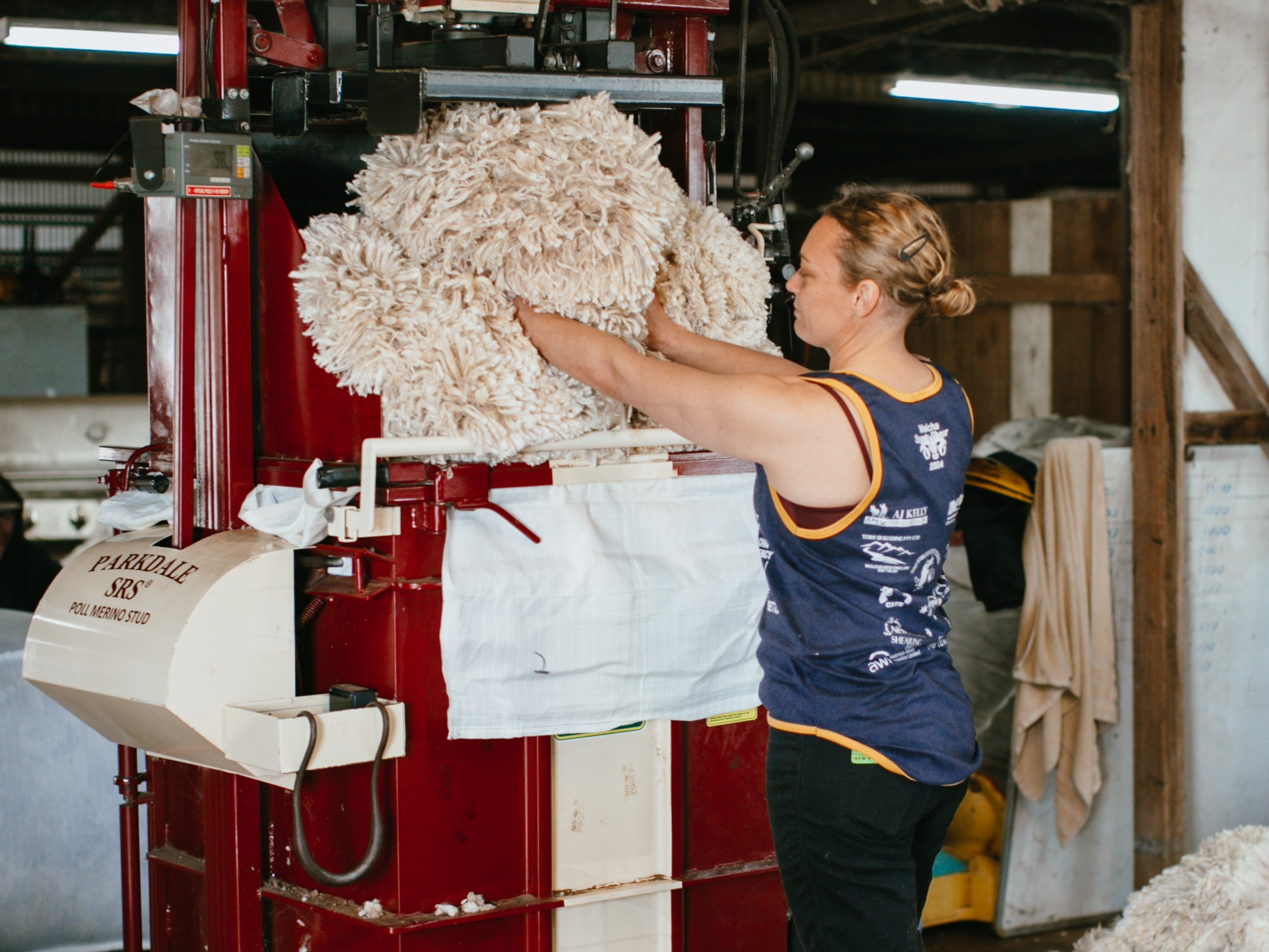
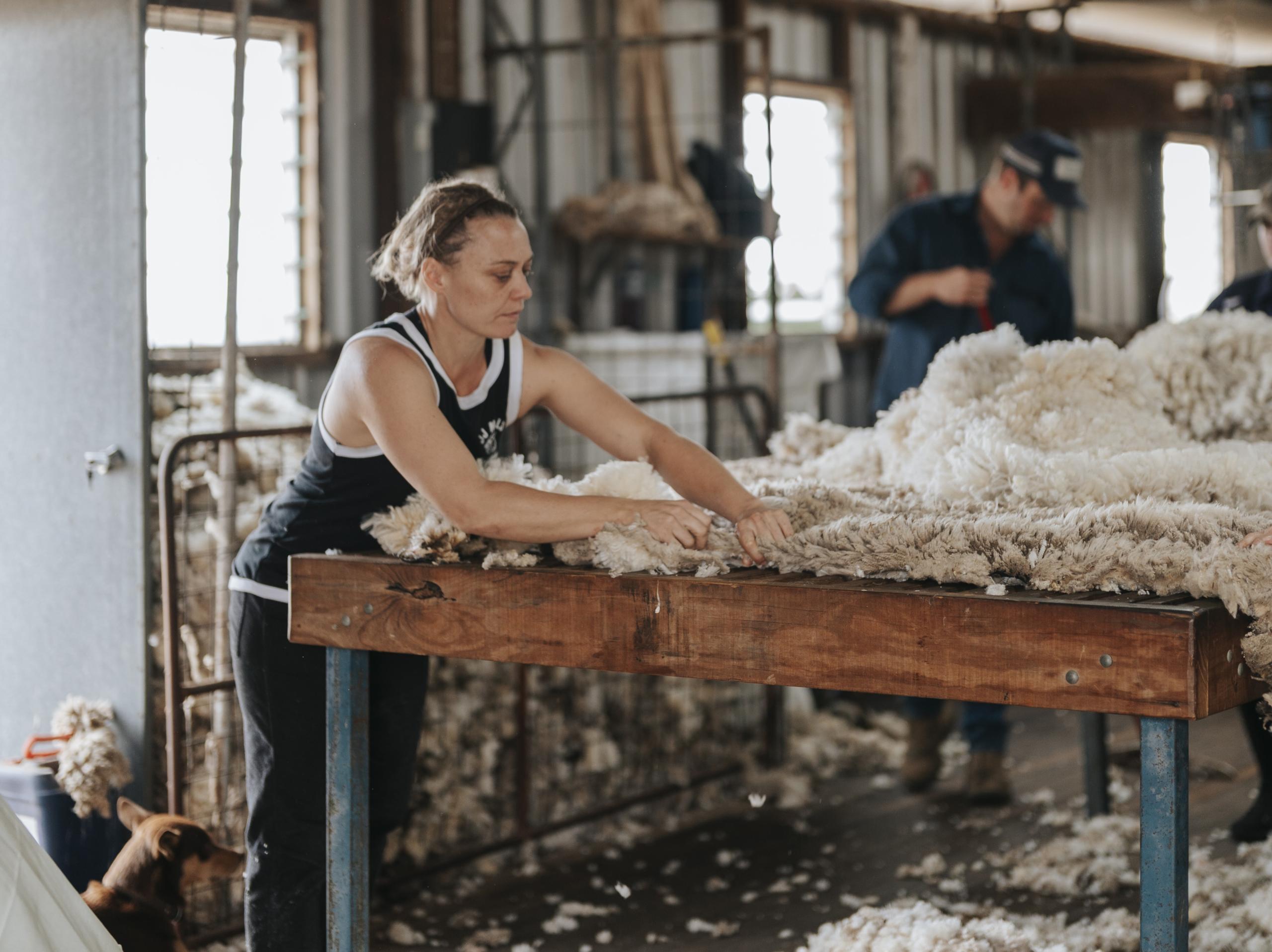
After her father died, she decided to stay, getting work as a rouseabout in the local shearing sheds. Soon she had the chance to pick up the shears and she was hooked. The shearing shed would become her new extended family. Within months she became one of the few women in the shearing shed to have a stand. The most recent census figures show fewer than 5 per cent of the workforce are women, so it was an enormous achievement.
The unspoken struggle
Carol soon recognised that the rhythm and flow of the sheds that she loved also came at a cost. “There was a real sense that it was a bit of an elephant in the room kind of issue that a lot of people were struggling and worrying about each other, and we had been losing a lot of people,” she says. “And also, that we didn’t know what to do.”
That unspoken problem was suicide. Carol decided to do something. After three years in the sheds and needing to go back to nursing if she wanted to maintain her registration, she took on a role at a rural suicide prevention program in Dubbo.
Within weeks of beginning her new job, the shearing community lost three of its own to suicide. Carol set up a Facebook support page before Christmas in 2023. They lost another shearer on Boxing Day. It was devastating, but it motivated Carol to start sHedway.
A mental health and wellbeing toolbox
Carol has developed a mental health and wellbeing toolbox and is building a team of “sHedway Champions” to help spread the message and build skills.
In just over two years, she and her team have run more than 160 workshops and events at agricultural shows, conferences and shearing championships across the country.
The toolbox gives the shearing community skills to help themselves and each other. In the workshops, Carol explains how to talk to someone who is struggling.
She says something as simple as: “I’m really worried about you, but I don’t how to help, let’s call Lifeline or Beyond Blue, together,” can be transformational as many in the community are not aware of these services. Other times, it might be assisting a colleague by driving to an area with better phone reception after work to make a call or encouraging them to seek help in a nearby town.
Carol is now focused on sHedway growing into a resilient organisation that can deliver workshops and presentations across the shearing sector. Attendees say the workshops have made them confident to have difficult conversations. For Carol, that is a step in the right direction.
“Every conversation about what sHedway is doing is a conversation about suicide prevention.”
Reach out
If you need support, contact:
Lifeline (24-hour crisis support) on 13 11 14 or click here to chat online.
Beyond Blue (information, counselling and support for mental health) call 1300 22 4636 or click here to chat online.

Join our community
Follow us on LinkedIn for the latest partner stories,
updates and insights shaping the sector.

Macdoch Foundation acknowledges the First Peoples as the first inhabitants and Traditional Custodians of the lands where we live, learn and work. We pay our respects to Elders past, present and future.