
- Nature-Positive Systems
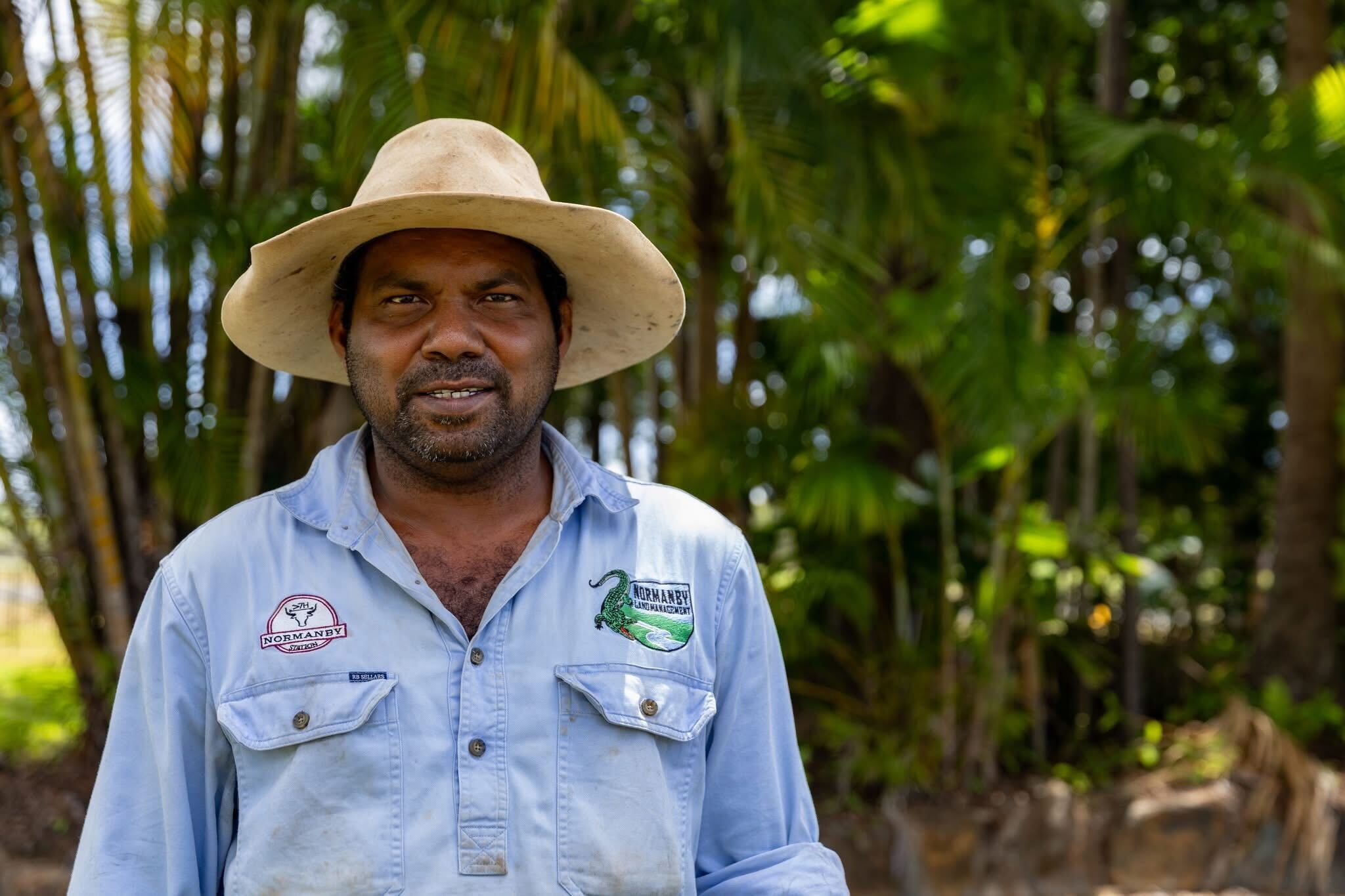
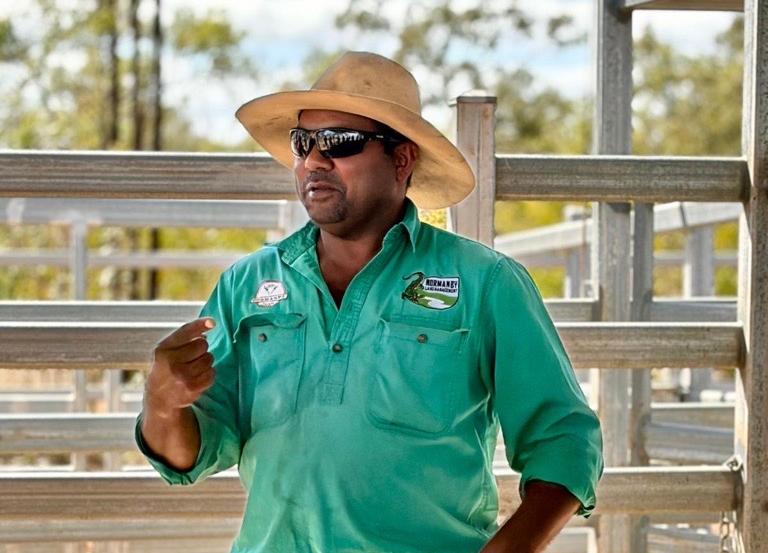
Normanby Aboriginal Corporation (NAC) stewards a 30,000-hectare property on Balnggarrawarra Country on Cape York Peninsula. In response to the environmentally and culturally degrading presence of feral cattle, NAC has established Bush Beef, a First Nations-led enterprise that processes feral cattle into premium beef products that generate income and feed local communities while protecting ecological and cultural value. We’ve partnered with Esparq, a First Nations-led venture builder, to support NAC to conduct a commercialisation pilot of the Bush Beef venture.
Funding Details
Funding Type:
Program Support
Location:
Australia
Duration:
2025 to 2026
Project Overview
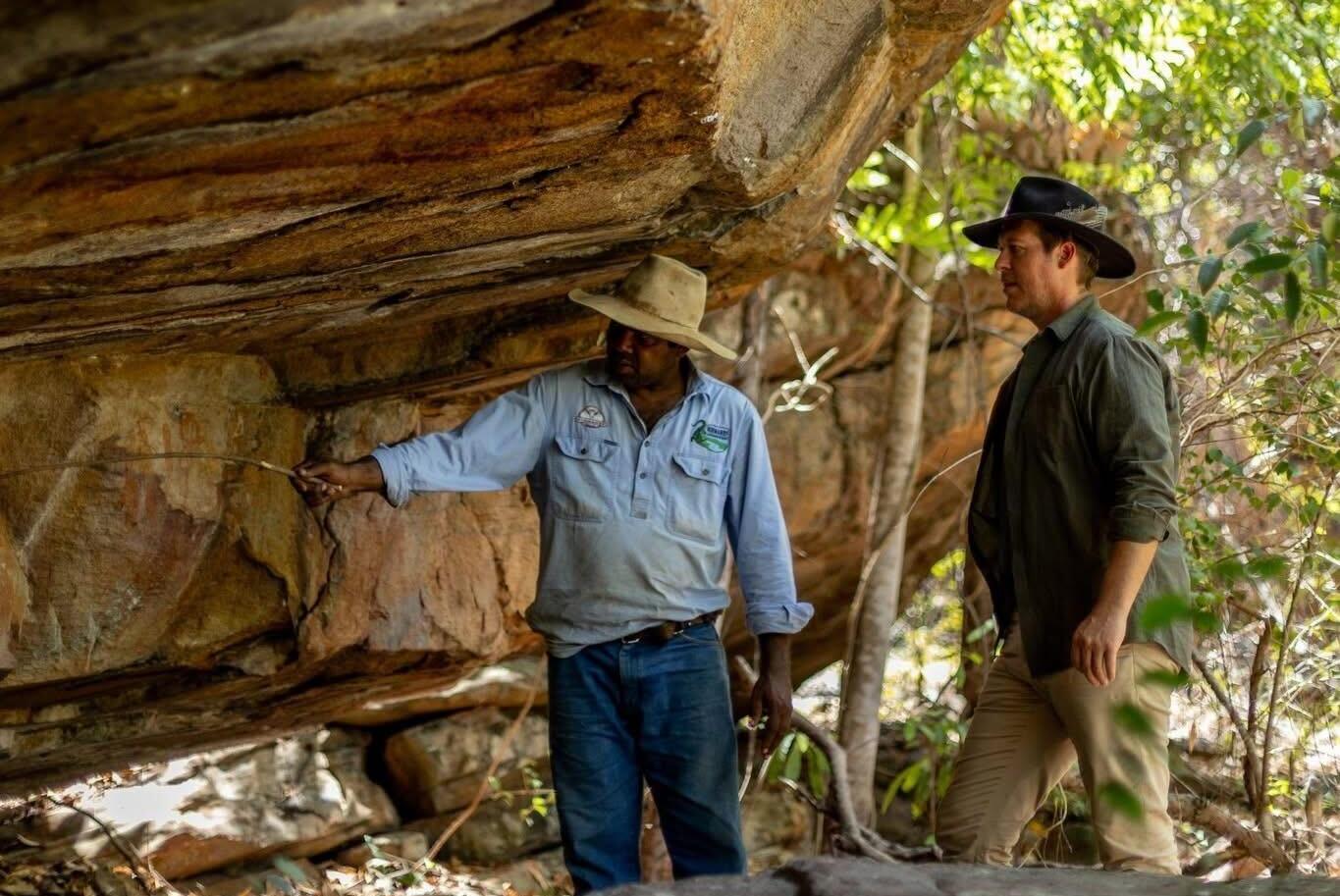
On Balnggarrawarra Country in Cape York, Normanby Aboriginal Corporation (NAC) is turning a long-standing environmental challenge into an enterprise that supports community prosperity. For decades, feral cattle have damaged culturally significant sites and native vegetation, while accelerating erosion and land degradation. The resulting sedimentary runoff enters local rivers and ultimately flows east into the Great Barrier Reef, placing further pressure on its fragile ecosystems. Rather than treating this as a problem to be managed, NAC saw an opportunity. Its vision led to the establishment of Bush Beef, a First Nations-led enterprise that processes feral cattle into high-quality beef products.
The idea emerged through NAC’s broader efforts to diversify economic opportunities while strengthening environmental stewardship on Country. Working alongside the Northern Australia Indigenous Land and Sea Management Alliance (NAILSMA), NAC explored the feasibility of producing premium beef products from feral cattle herds. The research identified a viable market opportunity for locally sourced, ethically produced bush beef that could serve communities across the Cooktown region while supporting employment and enterprise development on Country.
Building on their work with NAILSMA, NAC has been working with Esparq to explore pathways to move Bush Beef from concept to implementation through a one-year commercialisation pilot. The pilot tested and refined a sales and distribution model that brings Bush Beef products directly to customers and restaurants while building the foundations for a sustainable enterprise.
Why this Work is Important
Balnggarrawarra Country in Southeast Cape York is part of Northern Australia’s largest wilderness. The Normanby River runs through this landscape from the top of the Daintree to the Great Barrier Reef, carving through flat lands of undisturbed eucalyptus-wooded savannahs and tropical rainforests. While Cape York makes up just 3% of Australia’s landmass, its rich landscape sustains significant populations of native fauna and 20% of Australian’s endemic plant species. Alongside its global environmental significance for carbon sequestration and biodiversity, Balnggarrawarra Country holds immense cultural significance. Feral cattle place pressure on these landscapes – trampling waterways, contributing to erosion and reef damage, degrading native vegetation and threatening places of cultural importance. Managing these animals is essential, but without a viable commercial pathway, it can be difficult and costly to sustain.
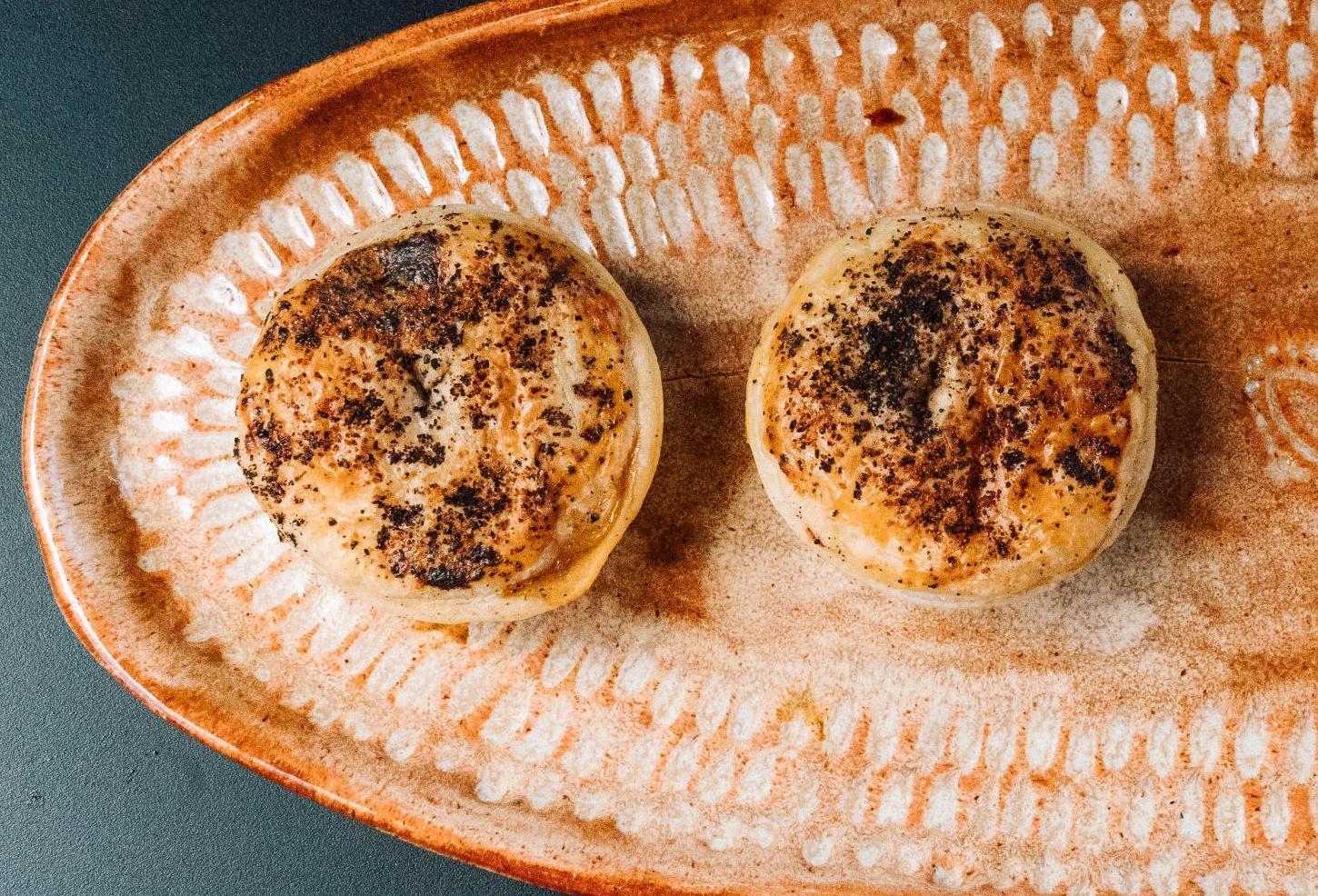
NAC’s Bush Beef offers a solution that protects the cultural and biodiverse value of Country while also considering the social context and economic need of the communities that call Cape York home. While this landscape is culturally and environmentally rich, surrounding communities are experiencing increasing food insecurity as rising cost-of-living pressures limit access to affordable, healthy food. Once the model is proven, Bush Beef aims to incorporate direct-to-community beef supply, improving access to nutritious, affordable food while strengthening local supply chains.
By turning unmanaged cattle into fresh, locally sourced protein, the enterprise creates value from an environmental problem while helping keep more food and income in the region.
Outcomes and Impact
Bush Beef has made strong progress towards becoming a sustainable, scalable enterprise. Since its launch at the 2025 Australian Native Food Festival, it has built a distinctive brand, developed a clearer picture of market demand and identified promising opportunities for growth. It has also begun to establish a viable “paddock-to-plate” supply chain, building relationships with local communities, abattoirs, distribution hubs, direct customers and high-end restaurants.
To build on this momentum, Esparq is establishing Wild Foods, a new organisation that will open up distribution channels and routes to market for First Nations food enterprises, including Bush Beef. With Wild Foods focused on getting product to market, NAC can invest its time and resources into growing the supply of high-quality, nature-friendly beef.
Bush Beef points to a new kind of regional food economy: one led by First Nations communities, grounded in care for Country and designed to keep more value close to home. If successful, it could offer a model for other First Nations communities seeking to create jobs, improve food security, strengthen economic participation and restore Country, all at once.
Watch the video to see NAC’s operation in action, and learn more about how this innovative solution to feral cattle is delivering environmental, economic and cultural benefits.
Read more

Partner Spotlight | White Buffalo Land Trust
White Buffalo Land Trust was founded in California in 2018 by Steve Finkel and has quickly emerged as a leading force in regenerative agriculture.
Partner Spotlight | Food Connect Shed
Australia’s food system is buckling under a polycrisis. But Brisbane’s Food Connect Shed is showing that it doesn’t need to be this way.
Join our community
Follow us on LinkedIn for the latest partner stories,
updates and insights shaping the sector.

Macdoch Foundation acknowledges the First Peoples as the first inhabitants and Traditional Custodians of the lands where we live, learn and work. We pay our respects to Elders past, present and future.