
- Nature-Positive Systems
Madonna Thomson grew up reading and observing Country. As a child she accompanied her mother on walks in the bush where she learned to identify native plants for food and medicine.
These early experiences instilled in Madonna a lifelong curiosity and deep appreciation for Country.
She has continued to observe, listen and learn, guided by a desire to better understand and advocate for the land. Her family’s ongoing connection to Country means that she sees the land as integral to her work.
“It’s been a part of everything that I do, whether it’s Aboriginal cultural heritage or its growing native foods or bush regeneration,” she said.
A member of the Jagera People, Madonna has worked extensively to share traditional knowledge. She’s established multiple enterprises working in cultural heritage and the native food sector as well as partnering with the University of Queensland on research into unique Australian foods.
Recently she reached a point in her life where she was hungry to learn more. So, when she was offered a place in the Integrity Soils CREATE program through a scholarship from Macdoch Foundation, she couldn’t wait to get started.
The CREATE Program
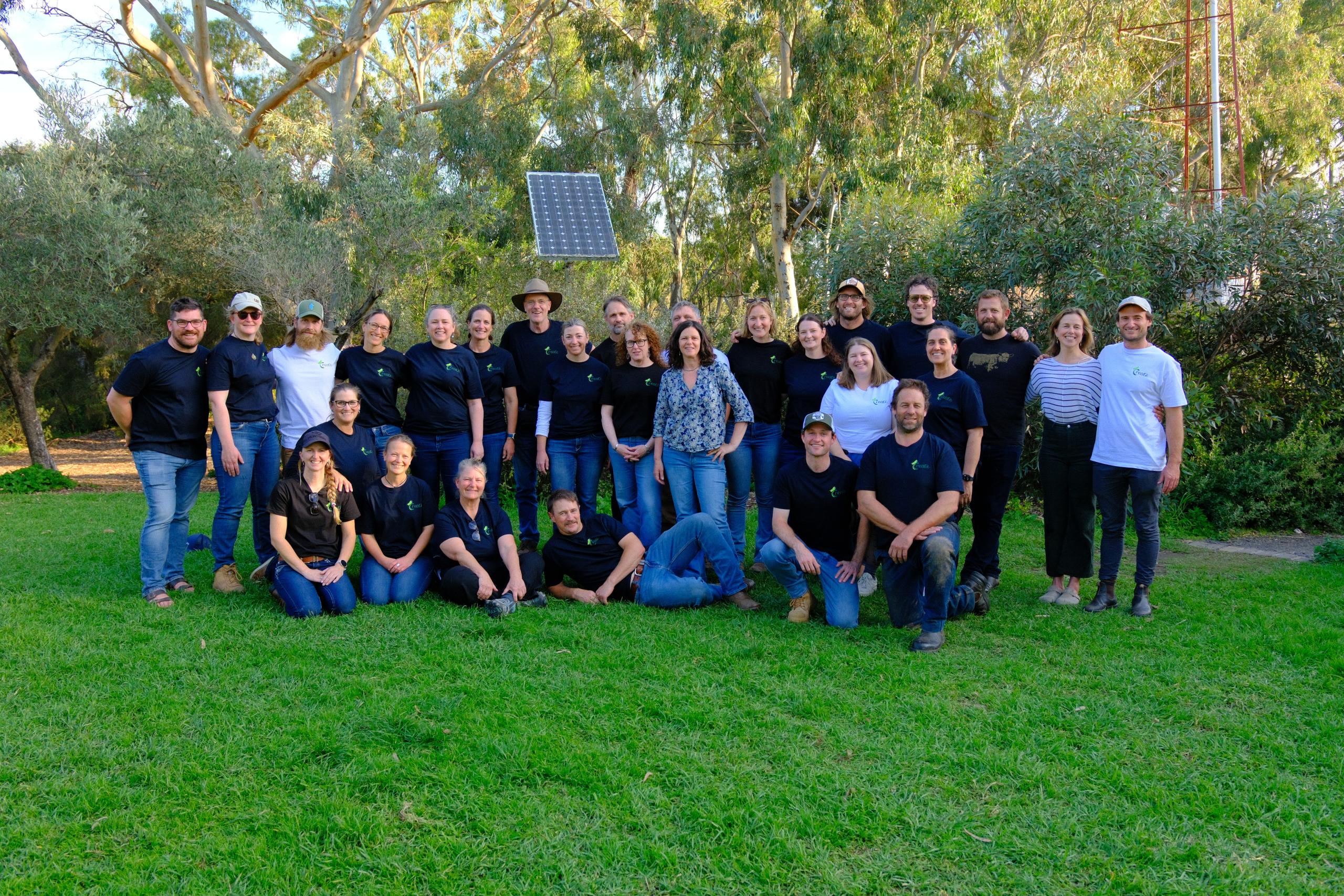
Through 34 weeks of immersive learning, CREATE equips agroecological practitioners with the confidence, expertise and business foundations needed to meaningfully influence the agricultural sector to be more ecologically and regeneratively-minded.
“I was wanting to learn about what you do outside of my community because everything I’d learned had been in the safety of my own cultural background in my own family,” Madonna said.
Through the program she discovered the language of agricultural ecology and soil science.
“All of a sudden, I’ve got words,” Madonna said.
“I really loved the microbiology because it made sense to me culturally about why we then apply certain land practises, and how that often supports and enables what’s already in country to do its best.”
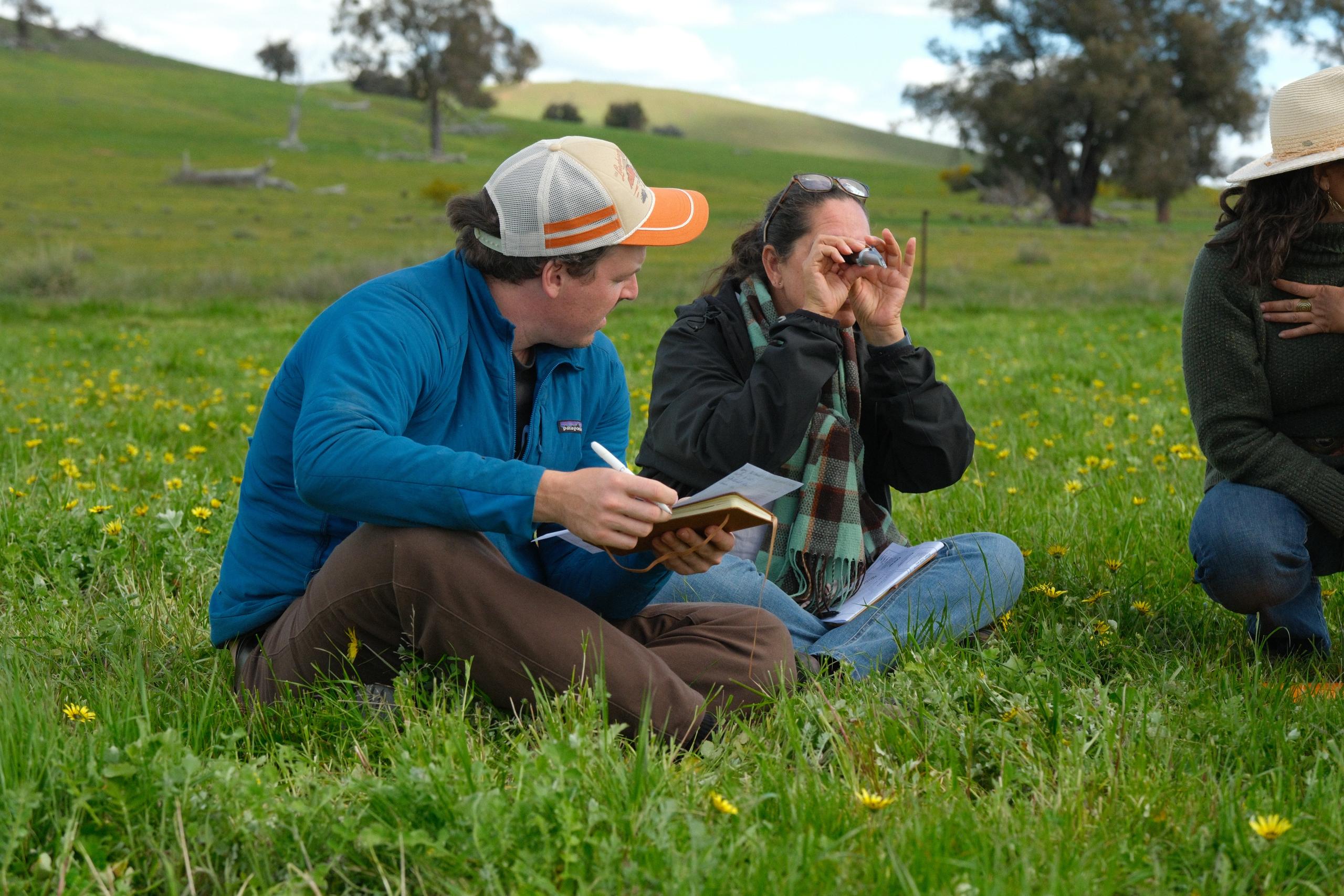
The 2025 CREATE program involved weekly learning forums with a cohort of farmers and land managers from Australia, New Zealand, the United States and Japan. Their online workshops covered topics including soil science, microbiology and behaviour change.
Each week the group delved deeper into how to navigate and influence the shift to holistic regenerative agriculture. Madonna describes the experience as “a bit like a tree because you see things above, but to really make the changes, where people get to see the growth and the nourishment you have to deal with the things below the surface.”
Her fellow students came from backgrounds ranging from large scale beef properties to small Indigenous-run farms. What they had in common were shared values and a desire for change. As a certified trainer herself, Madonna appreciated the course structure as it combined in-depth scientific training with live demonstrations and on-the-ground practice. The in-person events at the beginning and end of the program gave participants an opportunity to develop strong, supportive relationships.
The lightbulb moment for Madonna was the revelation that regenerative agriculture principles reinforce her traditional knowledge. As a result, she now has new ways to articulate the connections between the science of farming and her relationship with Country.
“It’s opened up a space for me to bring our perspective and approach into broader farming and regenerative agriculture but not lose the integrity of the First Nations philosophy and practice,” she said.
Turning knowledge into practice
Madonna plans to use her new skills to keep developing awareness about the nutritional value of native foods. As part of the program, Madonna explored the commercial potential of native round limes, inspired by the wild groves that grow on her clan’s land. She wants to extend this work by linking her knowledge with academic research to build awareness and create demand for native foods.
CREATE has also given Madonna the confidence to assert her role as a leader in the native foods sector and consider how she might broaden her influence in agriculture more widely. Most recently, Madonna has begun working with the Gooliwana Bana People in the creation of a community garden and native forest food garden on their Country in Far North Queensland, teaching their young people about soil science and introducing the very same concepts and approaches she learnt through CREATE.
A shared vision
Madonna says achieving success outside her community requires building collaborations and relationships with non-First Nations people using a nuanced approach.
“I think that’s the future, not just growing, but how do we effectively influence others in our space? I’ve had to learn as a First Nations person, we’re such a small percentage of the population, that there’s no way we’re going to make massive shifts. But if we can have other people who align with the values and they want to help then the more they get involved, then we’ll see ground shift.”
“There’s a constant interpretation piece going on because we use English very differently to everybody else,” Madonna said. “It’s subject to our cultural perspectives. So, whether I’m in the science space or I’m in the farming space, I’m thinking, how can I translate that into an indigenous perspective?”
It is not just Madonna who has benefitted from the program, the CREATE team say her First Nations perspective on landscapes and plant ecology has helped them to engage more deeply with Traditional Ecological Knowledge.
For Madonna, her newfound language is a gamechanger.
Related

Partner Grant | Rural Climate Partnership
The Rural Climate Partnership (RCP) is a collaborative philanthropic initiative supporting rural communities to lead climate solutions across the United States.
Partner Grant | Normanby Aboriginal Corporation
Normanby Aboriginal Corporation's Bush Beef venture is turning a long-standing environmental challenge into an enterprise that supports community prosperity.
Partner Grant | The School Food Project UK
The School Food Project (TSFP) is a UK-wide initiative working to turn current momentum on school food reform into practical, measurable improvements for children.
Partner Spotlight | sHedway
Carol saw the “elephant in the room” in the shearing industry and did something about it. sHedway addresses the stigma that surrounds mental health issues in the shearing industry.
Partner Spotlight | Food Connect Shed
Australia’s food system is buckling under a polycrisis. But Brisbane’s Food Connect Shed is showing that it doesn’t need to be this way.
Partner Grant | SevGen
SevGen is an Indigenous-led organisation pioneering a sustainable enterprise model that embeds social and environmental benefit.
Join our community
Follow us on LinkedIn for the latest partner stories,
updates and insights shaping the sector.

Macdoch Foundation acknowledges the First Peoples as the first inhabitants and Traditional Custodians of the lands where we live, learn and work. We pay our respects to Elders past, present and future.